5
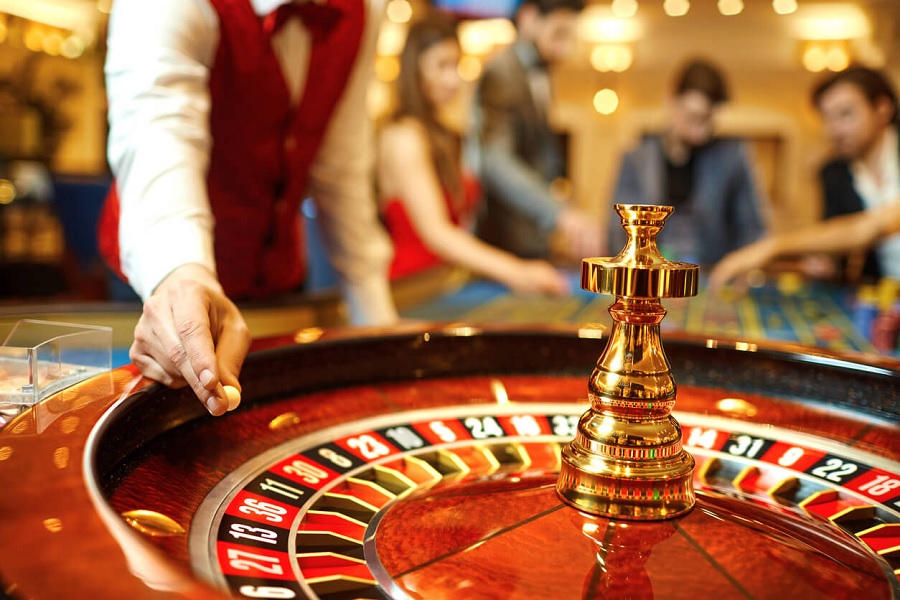
When travelers walk through the grand entrance of a premier integrated casino resort, they are stepping into a meticulously engineered ecosystem. From the moment a guest arrives, every architectural detail, lighting choice, spatial layout, and operational protocol is designed to achieve a singular objective: maximizing engagement and profitability. To the casual visitor, a mega-resort on the Las Vegas Strip or within a burgeoning regional gaming market appears to be a chaotic, high-energy palace of chance. Behind the glittering facades, however, lies one of the most sophisticated, data-driven business models in global commerce.
Operating a modern casino resort requires balancing immense capital expenditures with complex regulatory compliance, hospitality management, and advanced consumer psychology. The industry has evolved far beyond the simple operation of slot machines and gaming tables. Today’s successful resort operators function as masters of real estate development, data analytics, entertainment production, and multi-channel marketing. Understanding the underlying business strategies of these behemoths reveals how they maintain dominance in a fiercely competitive landscape.
The Evolution of the Integrated Resort Model
For decades, the traditional gaming business model was straightforward: build a casino, fill it with tables and slots, and let the gaming floor generate the entirety of the revenue. This monoculture approach carried inherent financial risks. Economic downturns, shifts in consumer discretionary spending, or regulatory changes could instantly devastate a property’s bottom line if gaming volume dropped.
The modern industry milestone was the pivot toward the integrated resort model. Pioneered and perfected over the past thirty years, this strategy transforms a standalone gambling house into a multi-dimensional entertainment destination. In a contemporary resort, the casino floor is no longer the sole profit driver; instead, it serves as the gravitational anchor for a diverse portfolio of revenue streams, including luxury hotels, fine-dining restaurants, convention spaces, retail promenades, and world-class live entertainment.
This diversification changes the fundamental risk profile of the business. When economic pressures tighten consumer gaming budgets, visitors may still patronize celebrity-chef restaurants, attend headliner concerts, or book corporate conventions. By offering a comprehensive vacation experience under one roof, resort operators capture a larger share of wallet from every single visitor while insulating their overall business model against the cyclical volatility of gambling revenue.
Spatial Architecture and Consumer Flow
One of the most closely guarded secrets of casino resort success is interior architecture and spatial design. The physical layout of a property is engineered to influence human behavior, direct traffic flow, and prolong the duration of a guest’s stay.
Traditional architectural principles emphasize straight lines, clear navigation paths, and easy exits. Casino design does precisely the opposite, utilizing what industry insiders refer to as spatial disorientation, famously known as the Ljubljana or Mega-Resort layout. Ceilings shift from high to low, pathways curve gently to obscure the immediate horizon, and high-traffic corridors force guests to navigate past flashing lights, sensory-rich gaming pits, and bustling bars.
The objective is to eliminate external temporal cues. Successful resorts rarely feature clocks or natural windows on the main gaming floor. Instead, lighting and atmospheric controls create a timeless environment where guests remain focused entirely on the immediate entertainment experience. Every ancillary attraction—whether it is a high-end nightclub, a check-in lobby, or an elevator bank leading to hotel rooms—is strategically positioned so that guests must traverse the gaming floor to reach their destination. This architectural funneling exposes non-gaming visitors to the energy of the casino, organically converting casual observers into active participants.
Data-Driven Loyalty Programs and Customer Segmentation
While physical architecture draws guests in, advanced data analytics keeps them returning. Modern casino resorts operate massive customer relationship management systems powered by loyalty club cards. Every time a guest inserts a card into a slot machine or hands it to a table game pit boss, the resort captures an immense volume of granular behavioral data.
Operators track not just how much money a player wagers, but their preferred games, the exact time of day they play, their average bet size, their dining preferences, and their spending habits outside the casino. This data allows operators to move away from blunt, generalized marketing and toward hyper-targeted personalization.
High-tier loyalty members receive customized offers tailored specifically to their psychological and financial profile. A player who demonstrates a preference for high-end steakhouses and luxury suites will receive complimentary dining and accommodation upgrades rather than generic free-play chips. This precision-targeted reinvestment maximizes the lifetime value of the customer. By treating patrons as individuals rather than anonymous statistics, resorts foster deep brand loyalty in an industry where switching costs between competing properties are virtually non-existent.
Diversifying Revenue Streams Through Non-Gaming Attractions
The financial performance of top-tier casino resorts highlights a fascinating reality: in many premier properties, non-gaming operations generate a significant percentage of total revenue and often outpace the gaming floor in profit margins.
Nightclubs, day clubs, and ultra-lounges represent some of the highest-grossing square footage in the hospitality industry. By partnering with world-famous DJs, investing in state-of-the-art audiovisual production, and curating exclusive social environments, resorts attract affluent younger demographics who may never place a sports bet or sit down at a blackjack table.
Similarly, the culinary arms of modern resorts have evolved from routine cafeteria-style dining into global culinary destinations. Bringing in Michelin-starred chefs and unique dining concepts elevates the brand prestige of the entire property. Guests who visit a resort for a weekend specifically to dine at a celebrated restaurant will frequently end up spending time and money on the casino floor or booking future stays, proving that non-gaming amenities act as the ultimate customer acquisition funnel.
The Balancing Act of Regulatory Compliance and Capital Management
Executing these sophisticated business strategies requires navigating a complex labyrinth of regulatory frameworks. Unlike standard retail or hospitality businesses, casino resorts operate under intense government oversight. State gaming commissions, financial crime enforcement networks, and local municipal authorities subject every square foot of gaming operations, executive background, and financial transaction to continuous audit.
Maintaining compliance while driving aggressive growth demands sophisticated capital management. Resorts must continually reinvest hundreds of millions of dollars into property renovations, technological upgrades, and entertainment infrastructure to prevent brand fatigue. The consumer expectation for luxury and innovation moves at a blistering pace, forcing operators to constantly reinvent their physical spaces to stay relevant.
Ultimately, the enduring success of a casino resort relies on its ability to harmonize opposing forces. It must operate as a precision-engineered machine governed by data analytics and risk management, while simultaneously feeling like an effortless, magical escape for the guest. By mastering the delicate balance between architectural psychology, diversified revenue streams, and personalized hospitality, the industry’s premier players have redefined what it means to build an enterprise on entertainment.
