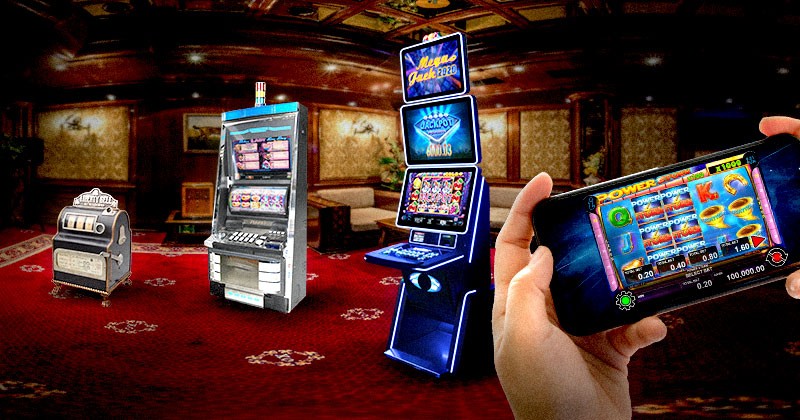
Modern gaming interfaces incorporate specialised tools accommodating varied physical capabilities, sensory preferences, and cognitive needs, ensuring inclusive participation across populations. MrATM88 details adaptive controls and visual aids incorporated in slot environments to support broader participation. Visually impaired users can access gameplay through audio descriptions narrating interface elements, button functions, and outcome results comprehensively. High contrast modes increase visual distinction between elements, aiding low vision players substantially through enhanced colour separation.
Vision support tools
Colourblind-friendly palettes replace problematic red-green combinations with distinguishable blue-yellow schemes or pattern differentiation beyond pure colour coding, eliminating confusion during gameplay. Symbol shapes receive unique designs, ensuring identification without colour dependency, allowing colorblind players to distinguish icons through form recognition alone. Contrast adjustment sliders allow customising background-foreground separation, matching individual vision needs precisely. Large text modes enlarge all interface typography, maintaining readability across screen sizes. Brightness controls accommodate light sensitivity, preventing eye strain during extended sessions.
Motor accommodation features
- Single-switch access enables gameplay through minimal input methods for players with limited mobility facing dexterity challenges requiring simplified control schemes
- Extended touch targets enlarge interactive areas, reducing precision requirements, preventing accidental activation, and reducing frustration from missed touches or imprecise movements
- Tap duration adjustments customise how long touches must register, preventing unintended activations from tremors or involuntary movements common among certain conditions
- Autoplay functions eliminate repetitive clicking requirements during extended sessions, preventing strain injuries and accommodating players unable to sustain continuous input
- Adjustable spin speeds accommodate varied reaction times, where slower rotations provide additional processing time between actions, allowing comfortable pacing
Audio customisation options
- Independent volume controls separate music, sound effects, and voice narration, allowing personalised audio mixing preferences matching individual needs and hearing capabilities
- Mono audio output combines stereo channels, accommodating single-ear hearing or mono speaker setups, eliminating spatial confusion from directional sound design
- Visual indicators supplement audio cues, providing redundant feedback through on-screen notifications, ensuring information reaches players regardless of hearing ability
- Subtitle support displays spoken content as text for deaf players, capturing dialogue completely without missing contextual information
- Vibration feedback adds haptic responses, supplementing or replacing audio notifications on compatible mobile devices, creating alternative sensory feedback channels
Cognitive assistance elements
Simplified interfaces reduce visual complexity, removing decorative elements for cleaner presentations, aiding focus and comprehension among players with attention difficulties. Animation reduction modes turn off non-essential motion, preventing distraction or disorientation issues affecting concentration during gameplay sessions. Consistent icon symbols stay the same across different games. This helps players understand new games faster and builds a familiar visual style that feels easy to follow. Tutorial modes guide players step by step through the gameplay. They explain each function clearly and do not expect the player to know already how things work. Reality check reminders help players notice how much time they are spending.
Language localisation support
Multiple language support helps non native users by giving full translations for every part of the interface, and it keeps the same functions across different languages. Clear words and simple icons reduce the need for text and avoid slang, so people from any place can understand the functions by sight. Currency format flexibility displays values in familiar denominations matching regional conventions. Regional customisation adapts interfaces, matching local conventions for number formatting and cultural preferences, creating comfortable experiences globally.
